
-
Email us at:
info@weltreatsystems.com -
Call us on:
020 - 41228334 - Download Brochure

30
Apr 26Did You Know? Industries Waste Up to 40% of Water — Without Even Knowing It
That’s not a typo. Studies show that many Indian factories and manufacturing plants lose nearly 40% of the water they consume — through leaks, inefficient processes, and poorly maintained treatment systems.
And the worst part? Most plant managers have no idea this is happening.
Water is not free. Every litre you waste costs you money. And in Maharashtra, where water scarcity is a growing concern, industries are under increasing pressure from the MPCB (Maharashtra Pollution Control Board) to manage water responsibly.
So what’s the solution? A Water Audit.
If you haven’t done one yet, this article will tell you exactly why you need one — and what it involves.
What Is a Water Audit?
A water audit is a detailed study of how water flows through your facility.
Think of it like a health checkup — but for your water system. An expert team visits your plant, maps out where water comes in, how it’s used, how much is wasted, and where it goes out.
Water Audit vs. Water Testing — What’s the Difference?
Many people confuse these two. Let’s clear it up:
- Water testing checks the quality of water (pH, TDS, contaminants, etc.)
- Water audit checks the quantity and flow — how much water you use, lose, and discharge
A water audit gives you the full picture. It tells you not just what is in your water, but where your water is going — and how to stop wasting it.
This is done by expert water audit consultancy firms like Weltreat Systems, which specialise in industrial water management solutions across Pune and Maharashtra.
Which Industries Need a Water Audit?
If your facility uses water in any significant quantity, you need an audit. Here’s a quick look at who needs it most:
Pharmaceutical Industry
Pharma plants use massive amounts of purified water in manufacturing. Even small leaks or treatment inefficiencies can lead to huge losses — and serious compliance violations.
Textile Industry
Textile processing is one of the most water-intensive industries in India. Dyeing, washing, and finishing processes consume thousands of litres daily. An audit helps identify where recycling is possible.
Food & Beverage Industry
Water is a core ingredient — and also used for cleaning, cooling, and steam. Wastewater from food processing must be treated properly before discharge. Audits ensure compliance and reduce water bills.
Chemical Industry
Chemical plants generate highly contaminated wastewater. A water audit assesses treatment efficiency and identifies risks before MPCB comes knocking.
General Manufacturing Plants
From auto components to packaging, most manufacturing units use cooling towers, boilers, and cleaning systems that silently drain water. An audit spots these hidden losses fast.
What Does a Water Audit Cover?
A professional industrial water audit is thorough and systematic. Here’s what gets examined:
1. Water Intake Analysis
How much water is your facility drawing from municipal supply, borewells, or other sources? Is it being measured accurately? This step sets the baseline.
2. Wastewater Generation Mapping
Where does your wastewater come from? How much is generated per process? This helps identify which areas produce the most effluent.
3. Leakage & Loss Identification
Hidden pipe leaks, overflow in storage tanks, evaporation losses — these small issues add up to massive wastage over time. Auditors identify all such loss points.
4. Treatment System Efficiency Check (ETP/STP Audit)
Is your Effluent Treatment Plant (ETP) or Sewage Treatment Plant (STP) working at full efficiency? Many plants run outdated or poorly maintained systems that waste energy and still don’t meet discharge standards.
5. Compliance Gap Analysis (MPCB/CPCB)
Are you meeting the discharge norms set by MPCB (Maharashtra) or CPCB (Central)? An audit checks your current status and flags any gaps — before the authorities do.
Benefits of a Water Audit — Why Smart Industries Are Already Doing This
Save Money on Water and Energy Bills
Less water wasted = lower bills. Plus, efficient treatment systems consume less electricity. Many industries recover their audit cost within months through savings.
Stay MPCB Compliant
MPCB compliance water audit is fast becoming a necessity, not a choice. Regulatory inspections are increasing. An audit ensures you’re always ready.
Identify ETP/STP Performance Issues Early
A weak treatment system can lead to heavy fines and forced shutdowns. Catching problems early saves you from a crisis.
Reduce Freshwater Consumption
By recycling treated water back into the process, many industries have reduced their freshwater intake by 30–60%. That’s real savings — and a real contribution to water conservation.
Strengthen Your ESG & Sustainability Profile
Investors, clients, and government bodies are now looking at ESG (Environmental, Social, Governance) scores. Strong water management practices boost your ESG rating and build your reputation.
What Happens After the Audit?
The audit doesn’t end with just finding problems. That would be pointless. Here’s what a good water audit consultancy provides after the study:
- A detailed audit report — covering all findings, data, and observations in simple language
- Actionable recommendations — such as upgrading your ETP, installing a ZLD (Zero Liquid Discharge) system, adding RO (Reverse Osmosis) for water recycling, or fixing pipe networks
- A consultancy roadmap — a step-by-step plan showing you what to fix first, second, and third — based on impact and budget
- Implementation support — Weltreat doesn’t just hand you a report and walk away. The team guides you through every step of execution
The goal is simple: turn insights into action, and action into savings.
Weltreat’s Water Audit Process — Simple, Clear, Effective
At Weltreat Systems, we follow a structured, no-jargon process:
Step 1: Site Visit
Our experts visit your facility to understand the layout, processes, and water systems. We observe first-hand, not just on paper.
Step 2: Data Collection
We collect water consumption records, utility bills, ETP/STP operational data, and process flow information. All data is treated with confidentiality.
Step 3: Analysis
We analyse the data to calculate water use efficiency, identify leakages, and benchmark your consumption against industry standards.
Step 4: Audit Report
You receive a clear, easy-to-read report. No confusing technical language — just plain facts, numbers, and insights that matter to your business.
Step 5: Solution + Support
Based on the findings, we recommend the right solutions — whether that’s an ETP upgrade, a ZLD system, an RO plant, or simple operational changes. And we support you in implementing them too.
Weltreat is headquartered in Pune and has served industries across Maharashtra and India — from pharmaceuticals to food processing to chemical plants.
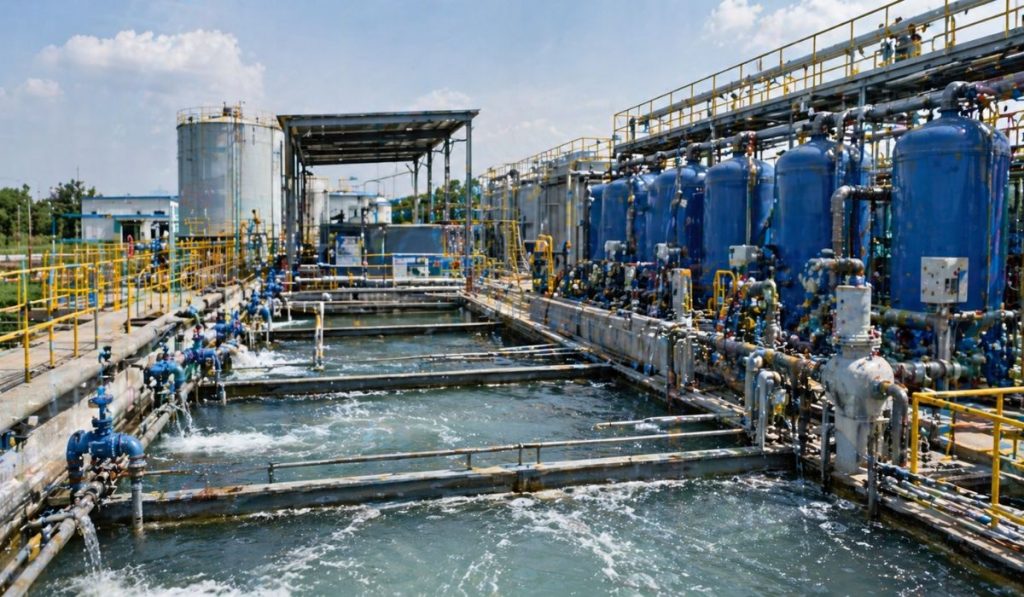
Don’t Wait for an MPCB Notice to Act
Many industries only think about water management after they get a notice from MPCB. By then, it’s too late to avoid penalties, reputational damage, and operational disruptions.
The smart move is to act before that happens.
A water audit for industries is not an expense — it’s an investment. An investment that pays back in lower bills, better compliance, improved ESG scores, and a cleaner, more efficient facility.
Water is becoming scarce. Regulations are getting stricter. And the cost of ignoring this is going up every year.
Ready to Find Out How Much Water Your Facility Is Wasting?
Contact Weltreat Systems today for a free consultation.
Our team of water audit experts will visit your site, assess your systems, and give you a clear picture — along with a practical roadmap to fix it.
Related Services by Weltreat: