
-
Email us at:
info@weltreatsystems.com -
Call us on:
020 - 41228334 - Download Brochure

16
Mar 26The pharmaceutical industry in Pune is the backbone of the region’s economic growth, with manufacturing hubs in Pimpri-Chinchwad, Hadapsar, Ranjangaon MIDC, and Chakan driving innovation and production.
However, this vital industrial activity comes with a significant environmental responsibility. Pharmaceutical manufacturing generates complex wastewater containing active pharmaceutical ingredients (APIs), solvents, and chemical residues that can be highly toxic to aquatic life and contribute to the serious public health issue of antimicrobial resistance.
For industries in Pune, installing a robust ETP for Pharmaceutical Industry Pune is not merely a regulatory formality; it is a critical component of sustainable and responsible manufacturing.
With the Maharashtra Pollution Control Board (MPCB) enforcing increasingly stringent norms, having an efficient effluent treatment plant is essential for operational continuity, brand reputation, and environmental stewardship.
This guide provides a comprehensive overview of pharmaceutical wastewater treatment, helping plant managers and decision-makers in Pune navigate the complexities of ETP systems.
Why Pharmaceutical Industries Need ETP Systems
Pharmaceutical effluent is unique and hazardous. Unlike general industrial wastewater, it often contains complex organic compounds, high chemical oxygen demand (COD), and biological actives that can disrupt natural ecosystems and public water systems.
If discharged untreated, this effluent poses severe risks, including the development of superbugs due to antibiotic residues in the environment.
Beyond environmental ethics, the business case for an ETP is compelling. Regulatory non-compliance in Pune can lead to show-cause notices, heavy penalties, and even closure directives from MPCB.
Furthermore, multinational clients and sustainability certifications (like ISO 14001) now mandate stringent environmental compliance. Installing a reliable pharmaceutical effluent treatment plant Pune ensures that manufacturers maintain their “license to operate” and access to global supply chains.
Characteristics of Pharmaceutical Wastewater
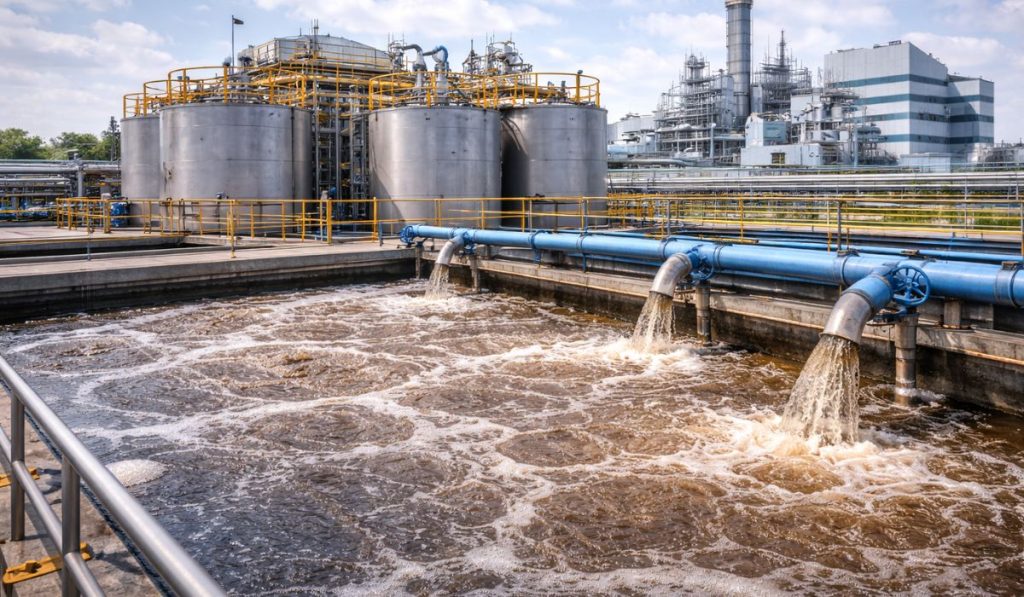
Designing an effective pharma wastewater treatment plant requires a deep understanding of the effluent’s composition. The wastewater is typically characterized by high pollution loads and variability. The table below outlines the key parameters that treatment systems must address.
| Parameter | Typical Characteristics | Why It Matters |
|---|---|---|
| Chemical Oxygen Demand (COD) | Very High (often >10,000 mg/L) | Indicates high levels of organic pollutants that deplete oxygen in water bodies. |
| Biological Oxygen Demand (BOD) | High to Moderate | Represents the biodegradable fraction of organics. A low BOD/COD ratio means the water is not easily treatable by biology alone. |
| pH Level | Variable (often acidic or alkaline) | Extreme pH levels are corrosive and toxic, requiring neutralization before further treatment. |
| Total Suspended Solids (TSS) | High | Includes undissolved solids that can clog systems and pollute waterways. |
| Toxic Compounds & APIs | Trace to High Concentrations | Includes antibiotics, steroids, and cytotoxins (anticancer drugs) that are designed to be biologically active and resist conventional degradation. |
| Heavy Metals & Solvents | Variable | Used in synthesis processes; these are toxic and require specific removal techniques. |
Key Components of an ETP for Pharmaceutical Industry
A standard ETP plant for pharma industry in Pune follows a multi-stage treatment train, combining physical, chemical, and biological processes to achieve the desired water quality.
Screening and Equalization
The first step involves removing large solids and debris through screens. The effluent then flows into an equalization tank, which acts as a buffer. Its purpose is to homogenize the wastewater, evening out fluctuations in flow, pollutant load, and pH to ensure consistent conditions for downstream processes.
Primary Treatment
This stage focuses on the removal of suspended and colloidal matter. It involves:
- pH Correction: Adding acids or alkalis to bring the wastewater to a neutral range.
- Coagulation and Flocculation: Adding chemicals to cause fine particles and colloids to clump together into larger “flocs.”
- Primary Clarifier: A settling tank where these flocs (now called sludge) settle at the bottom, and the clear water overflows to the next stage.
Biological Treatment
This is the heart of the ETP, where microorganisms consume the dissolved organic pollutants. Given the complex nature of pharma waste, advanced technologies are required. Common systems in Pune include:
- Moving Bed Biofilm Reactor (MBBR): Uses plastic media to grow a high-density biofilm, maximizing bacterial colonies in a smaller footprint.
- Sequential Batch Reactor (SBR): A time-based system that treats wastewater in batches, offering high flexibility and control.
- Membrane Bio-reactor (MBR): Combines biological treatment with membrane filtration, producing very high-quality effluent ideal for reuse.
Secondary Clarification
Following biological treatment, the wastewater flows to a secondary clarifier. Here, the microbial biomass (sludge) is allowed to settle. A portion of this sludge is recycled back to the biological reactor to maintain the microbial population, while the excess is sent for sludge handling.
Tertiary Treatment
This is the final polishing stage to meet stringent discharge or reuse standards. It may include:
- Filtration: Sand or dual-media filters to remove any remaining fine solids.
- Activated Carbon Treatment (ACT): Adsorbs any residual color, odor, and toxic organic compounds not removed earlier.
- Disinfection: Using chlorine or UV light to kill any remaining pathogens.
ETP Process Flow for Pharmaceutical Wastewater
To visualize how these components work together, here is a typical step-by-step process flow for a pharmaceutical wastewater treatment process:
- Inlet: Raw effluent collected from various manufacturing units.
- Primary Treatment: Effluent passes through screens and into an equalization tank. pH is adjusted, and coagulants are added.
- Primary Clarification: Suspended solids settle out as primary sludge.
- Biological Treatment: Partially treated water enters the biological reactor (e.g., MBBR or SBR) where aeration promotes microbial breakdown of organic pollutants.
- Secondary Clarification: Biomass settles, with some returned to the bioreactor and excess removed.
- Tertiary Polishing: Treated water is filtered and passed through activated carbon.
- Reuse/Discharge: The final, clean water is either reused in utilities (cooling, gardening) or safely discharged in compliance with MPCB norms.
- Sludge Handling: Sludge from primary and secondary clarifiers is dewatered using a filter press, and the dried cake is disposed of at authorized sites.
Benefits of Installing ETP for Pharmaceutical Industries
Investing in a high-quality industrial effluent treatment plant Pune offers multiple strategic advantages:
- Regulatory Compliance: Ensures adherence to CPCB and MPCB standards, avoiding legal penalties and shutdowns.
- Operational Continuity: Mitigates the risk of production stoppages due to environmental violations or water shortages.
- Water Reuse and Recycling: Treated water can be reused for cooling towers, gardening, and floor washing, significantly reducing freshwater consumption and costs.
- Enhanced Brand Reputation: Demonstrates a commitment to sustainability, which is critical for winning contracts from environmentally conscious global pharma companies.
- Reduced Environmental Footprint: Prevents pollution of local water bodies, protecting Pune’s ecosystems and public health.
- Cost Savings: Optimized ETPs can reduce operational expenses (OPEX) through chemical and energy efficiency, with reuse providing a strong return on investment.
ETP Compliance Requirements in Pune
Industries in Pune must comply with the environmental standards set by the Central Pollution Control Board (CPCB) and enforced by the Maharashtra Pollution Control Board (MPCB). These regulations dictate the maximum permissible limits for various pollutants in discharged water.
Typical discharge standards include:
- pH: 6.5 – 8.5
- BOD: < 30 mg/L
- COD: < 250 mg/L
- TSS: < 100 mg/L
- Oil & Grease: < 10 mg/L
Failure to meet these norms can result in strict action. Pune’s industrial zones are under regular scrutiny, making a compliant ETP non-negotiable.
Choosing the Right ETP Solution Provider in Pune
Selecting a partner for your ETP is a critical decision. Plant managers and environmental engineers should evaluate providers based on the following factors:
- Technical Expertise: Does the provider understand the specific challenges of pharma wastewater treatment process? Do they offer treatability studies?
- Customization: Every pharma plant is different. The provider should offer customized designs based on your specific effluent characteristics, space constraints, and reuse goals.
- Technology and Automation: Look for modern technologies like MBBR, MBR, and PLC/SCADA-based automation for reliable operation and data monitoring.
- Lifecycle Support: Beyond installation, consider the provider’s capability to offer Operation & Maintenance (O&M) services, spares, and technical support to ensure long-term performance.
- Compliance Assurance: The provider must have a proven track record of designing plants that consistently meet MPCB norms.
Why Industries in Pune Trust Weltreats for ETP Solutions
Navigating the complexities of pharmaceutical wastewater treatment requires a partner with deep local knowledge and proven technical expertise. Weltreats has emerged as a trusted name for industries across Pune’s industrial corridors. We understand that a one-size-fits-all approach doesn’t work for pharma effluent.
We offer custom-engineered ETP solutions that integrate advanced technologies such as MBBR, MBR, and tertiary polishing systems like UF/RO to ensure compliance and enable water reuse. Our team excels in designing systems that are not only compliant with stringent MPCB norms but also optimized for low operating costs and high reliability.
Whether you are setting up a new facility in Ranjangaon or need to revamp an outdated plant in Pimpri, Weltreats provides turnkey solutions—from conceptual design and treatability testing to installation, commissioning, and professional O&M support. We help pharmaceutical companies in Pune turn their waste management from a regulatory burden into a strategic asset.
Frequently Asked Questions
1. What is the cost of an ETP for a pharmaceutical company in Pune?
The cost varies significantly based on the capacity (KLD), the complexity of the wastewater, and the treatment technology required. A small-scale plant might start from a few lakhs, while large, complex zero-liquid discharge (ZLD) systems can run into crores. It is best to get a customized quote after a wastewater analysis.
2. Which technology is best for pharmaceutical wastewater treatment?
There is no single “best” technology; it depends on the effluent. However, a combination is usually required. For high organic loads, anaerobic pretreatment is effective. For complex organics, MBBR or MBR technologies are highly effective, often followed by tertiary treatments like Activated Carbon or RO for polishing and reuse.
3. How much space is required for an ETP plant?
Space requirements depend on the capacity and technology. Conventional systems require more space, while advanced technologies like MBBR and MBR are more compact and can fit within the limited footprints often found in Pune’s industrial estates.
4. What are the MPCB discharge standards for pharma industries?
MPCB mandates strict standards, typically requiring BOD less than 30 mg/L, COD less than 250 mg/L, TSS less than 100 mg/L, and pH between 6.5 and 8.5. However, specific limits may vary based on the location and the receiving body (sewer, river, land).
5. Can the water from an ETP be reused in pharmaceutical manufacturing?
Yes, absolutely. A proper tertiary treatment system including filtration and Reverse Osmosis (RO) recycles the treated water for non-critical applications like cooling tower makeup, boiler feed, and gardening. This significantly reduces the plant’s freshwater demand.
Conclusion
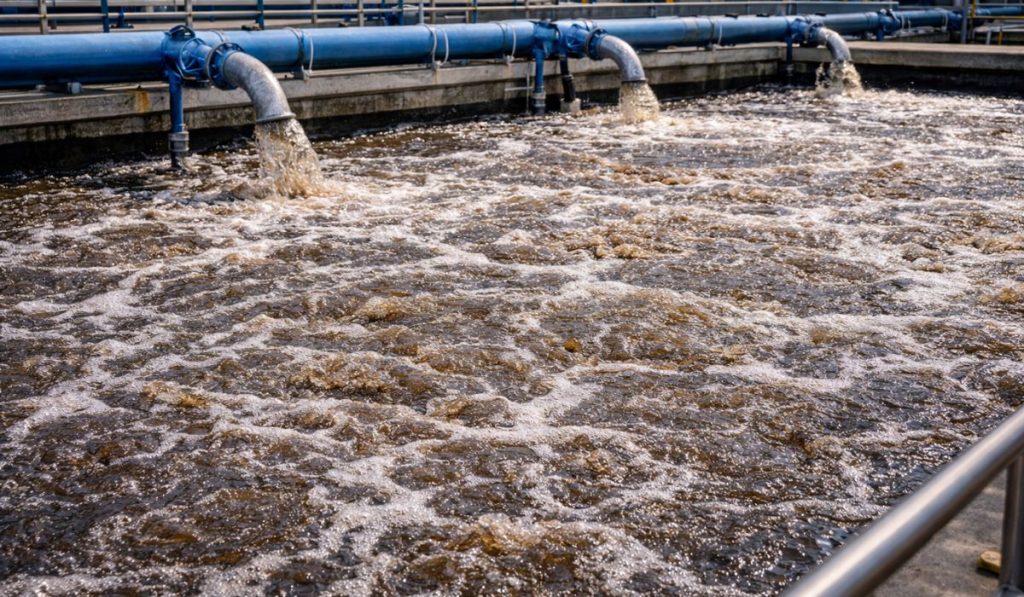
For the pharmaceutical industry in Pune, effective wastewater management is a critical pillar of sustainable operations. From protecting the fragile ecosystem of the region to ensuring strict adherence to MPCB regulations, a well-designed ETP for Pharmaceutical Industry Pune is an indispensable asset.
By investing in the right technology and partnering with an experienced solution provider, pharma companies can mitigate environmental risks, reduce operational costs through water reuse, and solidify their reputation as responsible manufacturers. Don’t let wastewater be a liability—transform it into an opportunity for sustainable growth.
Contact Weltreats today to discuss your specific requirements. Our experts are ready to visit your facility in Pune, analyze your effluent, and design a customized, compliant, and cost-effective ETP solution that ensures your business runs smoothly and sustainably for years to come.
Realted Guides:
Cost of Installing an STP or ETP Plant in India? Full Breakdown