
-
Email us at:
info@weltreatsystems.com -
Call us on:
020 - 41228334 - Download Brochure
11
Jul 25Effluent Treatment Solutions in Pune: Sustainable Industrial Wastewater Management
- July 11, 2025
- Water Treatment
Industrial Wastewater Treatment, Design & Implementation
Industrial effluent discharge is one of the biggest operational challenges faced by manufacturing and processing units in Pune. With growing industrial zones, higher water usage, and increasing wastewater handling costs, industries must adopt efficient effluent treatment solutions that are tailored to their specific waste streams, production scale, and reuse goals.
An Effluent Treatment Plant (ETP) is more than just a wastewater system — it is an engineered solution designed to treat, recover, and safely dispose of industrial wastewater in compliance with environmental expectations. In Pune, where industries range from chemical to food processing, textile, pharmaceutical, and engineering units, customized ETP solutions ensure consistent performance and optimized operations.
What Is an Effluent Treatment Plant (ETP)?
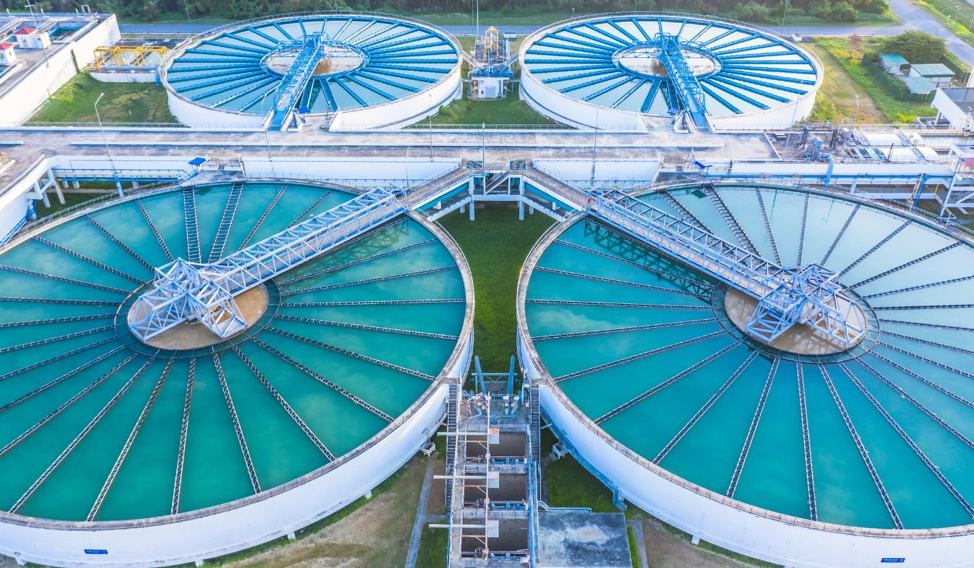
An Effluent Treatment Plant (ETP) is a wastewater treatment system engineered to treat effluent generated from industrial processes. The goal of an ETP is to reduce pollutants, recover usable water wherever possible, and ensure treated water meets safe discharge or reuse standards.
In industrial settings, wastewater may carry suspended solids, organic contaminants, oils, greases, and dissolved impurities. ETP systems are designed to handle these variations through a series of treatment stages that align with the wastewater’s composition and discharge requirements.
Why Pune Industries Need Customized ETP Solutions
Every industry in Pune has a different wastewater profile. The quantity and quality of effluent vary based on raw materials, processes, and production scales. A generic solution will underperform, increasing energy use, treatment costs, and operational issues.
Customized effluent treatment solutions for Pune industries address:
- Variable wastewater characteristics
- Seasonal changes in production loads
- Industry-specific pollutants
- Water recovery requirements
- Space and utility constraints
This customized design ensures that your ETP delivers consistent treatment performance and predictable operational costs.
Our ETP Design & Engineering Approach
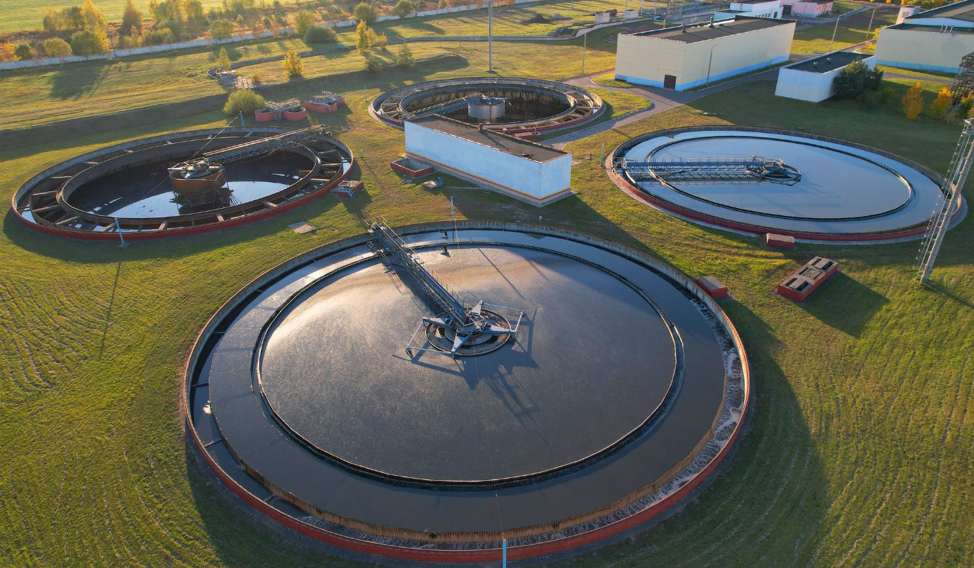
We follow an engineering-first approach to effluent treatment systems. Every ETP we deliver is based on real wastewater characterization and process optimization rather than theoretical assumptions.
System performance and treatment efficiency depend heavily on water treatment chemistry and system design, especially when dealing with variable industrial effluent characteristics.
Our design methodology includes:
- Detailed wastewater analysis to determine treatment requirements
- Selection of appropriate physical, chemical, and biological treatment processes
- Proper sizing of equipment based on influent load and discharge targets
- Integration of secondary treatment units for enhanced performance
- Operational considerations such as automation and maintenance access
This design focus minimizes surprises during commissioning and ensures reliable, long-term performance even under fluctuating operational conditions.
Effluent Treatment Process & Key Components
An effective ETP consists of multiple stages that work together to remove contaminants and recover water where possible.
Key components include:
- Preliminary treatment (screening, grit removal)
- Primary treatment (settling tanks, clarifiers)
- Secondary biological treatment (aerobic, anaerobic units)
- Tertiary treatment (filters, disinfection)
- Sludge handling and dewatering systems
- Automation and monitoring systems
Each component is selected based on specific wastewater characteristics and treatment objectives rather than generic templates.
Industry-Wise ETP Solutions in Pune
Effluent treatment needs vary across industries. Our solutions cater to:
- Chemical and specialty manufacturing
- Pharmaceutical and formulation industries
- Food and beverage processing plants
- Textile dyeing and finishing units
- Automotive and engineering sectors
For each industry, treatment strategies are developed based on waste profiles, regulatory expectations, and water reuse goals.
Operational Challenges in Effluent Treatment and How We Address Them
Effluent treatment systems are complex and must be engineered to anticipate real-world operational challenges:
- Fluctuating pollutant loads
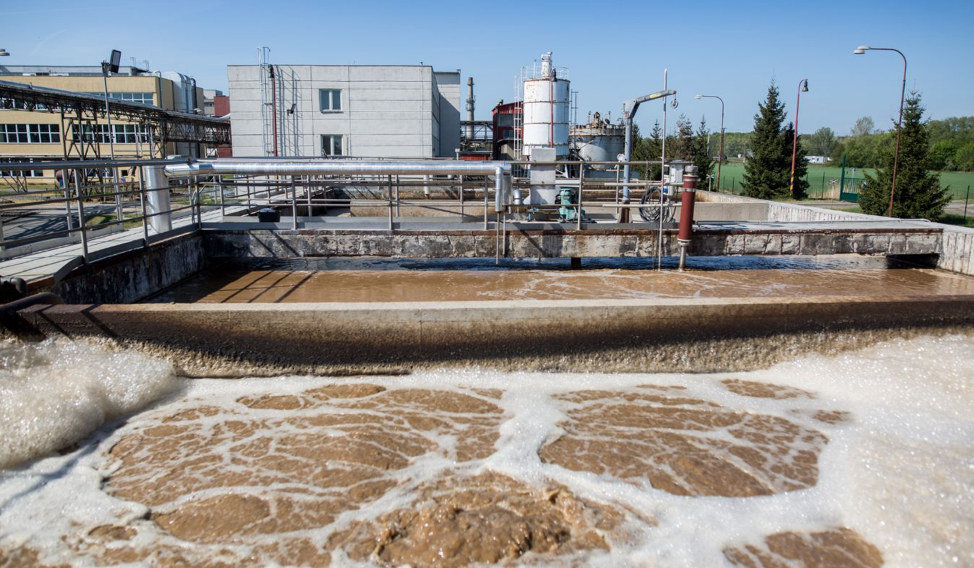
- Foaming and sludge bulking
- Energy-intensive processes
- System downtime due to improper setup
We focus on process integration and robust equipment selection so that your ETP delivers reliable performance while reducing operational disruptions.
Connection With Advanced Water Solutions
In many Pune industries, effluent treatment is just one part of the water management strategy. To further enhance water recovery and reduce waste, Effluent Treatment Plants can be integrated with advanced systems such as Zero Liquid Discharge (ZLD) solutions.
ZLD systems build on ETP outputs, using technologies like RO, evaporators, and crystallizers to maximize water reuse. Learn more about our Zero Liquid Discharge (ZLD) systems provider in Pune → insert internal link here with anchor “Zero Liquid Discharge systems for complete water recovery.”
Why Choose Us for Effluent Treatment Solutions in Pune
Our approach to effluent treatment solutions is driven by engineering clarity and execution reliability:
- Tailored ETP design based on real wastewater data
- Focus on process efficiency and long-term performance
- Practical execution strategies for industrial facilities
- Support from design to commissioning and beyond
We ensure your ETP performs consistently, reducing treatment costs and aligning with operational priorities.
Frequently Asked Questions
Q1. What types of industrial wastewater can an ETP handle?
ETP systems can treat various industrial wastewater, including organic loads, suspended solids, oils and greases, and selected chemical contaminants. Treatment configuration depends on the wastewater profile.
Q2. Can an ETP be scaled for increased production capacity?
Yes. ETP designs are modular and scalable so that additional capacity can be added as production expands.
Q3. How does ETP help industries save costs?
A properly designed ETP reduces energy consumption, minimizes chemical use, improves process efficiency, and recovers water for reuse — all contributing to operational cost savings.
Q4. Is treated effluent reusable?
Depending on the treated quality and industry requirements, treated effluent can be reused for non-potable purposes or further processed using systems like ZLD for higher recovery.